The Importance of Workplace Safety: Legal Duties, HSE Guidance & Why Training Matters
Workplace safety is not just good practice — it is a legal requirement. For businesses across construction, warehousing and industry, maintaining a safe working environment protects employees, reduces risk and ensures compliance with UK law.
At Tamar Valley Training, we see first-hand how proper training and awareness can prevent accidents and improve confidence on site.
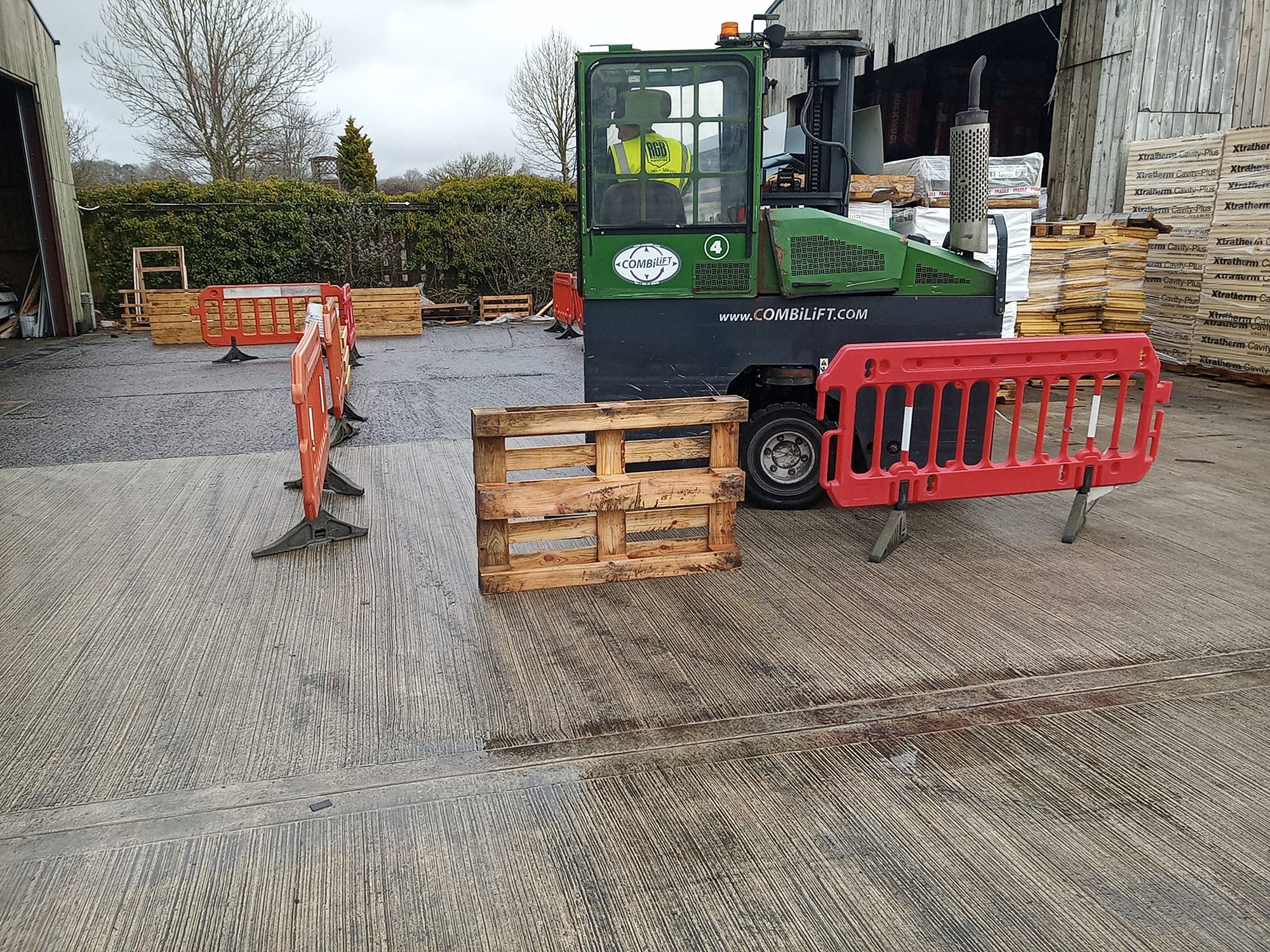
Why Workplace Safety Matters
Every year, thousands of workplace injuries occur in the UK — many of which are preventable. Poor training, lack of awareness and unsafe practices are often the root cause.
A strong safety culture:
Protects employees from harm
Reduces downtime and lost productivity
Lowers the risk of costly accidents and claims
Builds trust with staff and clients
Most importantly, it ensures that everyone goes home safely at the end of the day.
The Law: Employer Responsibilities
Under UK law, employers have a legal duty of care to ensure the health, safety and welfare of their employees.
The key legislation is the Health and Safety at Work etc. Act 1974, which requires employers to:
Provide a safe working environment
Ensure machinery and equipment are safe to use
Provide adequate training and supervision
Carry out risk assessments
Implement safe systems of work
Failure to meet these responsibilities can result in serious legal consequences, including fines, prosecution and reputational damage.
The Role of the Health and Safety Executive (HSE)
The Health and Safety Executive (HSE) is the UK’s regulatory body responsible for enforcing workplace health and safety laws.
The HSE:
Sets and enforces safety standards
Provides guidance and best practice
Investigates accidents and incidents
Takes action against non-compliant businesses
HSE guidelines make it clear that training is a fundamental part of workplace safety — particularly when operating plant, machinery or equipment.
Training: A Key Part of Compliance
One of the most effective ways to meet your legal obligations is through proper training.
Employers must ensure that anyone using machinery — including forklifts, excavators and other plant equipment — is:
Properly trained
Competent to operate safely
Aware of risks and safe procedures
Training should include:
Theory (understanding risks and regulations)
Practical assessment (safe operation of equipment)
Ongoing refresher training where required
Without this, businesses are exposed to both safety risks and legal liability.
The Real Cost of Poor Safety
Cutting corners on safety can have serious consequences:
Workplace injuries or fatalities
Increased insurance costs
Legal action and fines
Project delays and downtime
Damage to reputation
In contrast, investing in safety and training leads to:
More efficient operations
Confident, competent staff
Reduced incidents and near misses
Creating a Safer Workplace
Improving safety doesn’t have to be complicated. It starts with:
Regular risk assessments
Clear communication and supervision
Proper training for all operators
Maintaining equipment and machinery
Encouraging a culture of responsibility
When safety becomes part of everyday operations, it benefits everyone involved.
How Tamar Valley Training Can Help
At Tamar Valley Training, we provide professional, practical training that helps businesses meet their legal responsibilities and improve safety on site.
We offer:
NPORS accredited training
ITSSAR forklift training
On-site courses across Devon and Cornwall
Training for novice, experienced and refresher operators
With over 20 years’ experience, we focus on delivering training that is not just compliant — but genuinely effective in real working environments.
Final Thoughts
Workplace safety is not optional — it is a legal and moral responsibility. By investing in proper training and following HSE guidance, businesses can protect their workforce, remain compliant and operate more effectively.
👉 A safe workplace is a productive workplace.